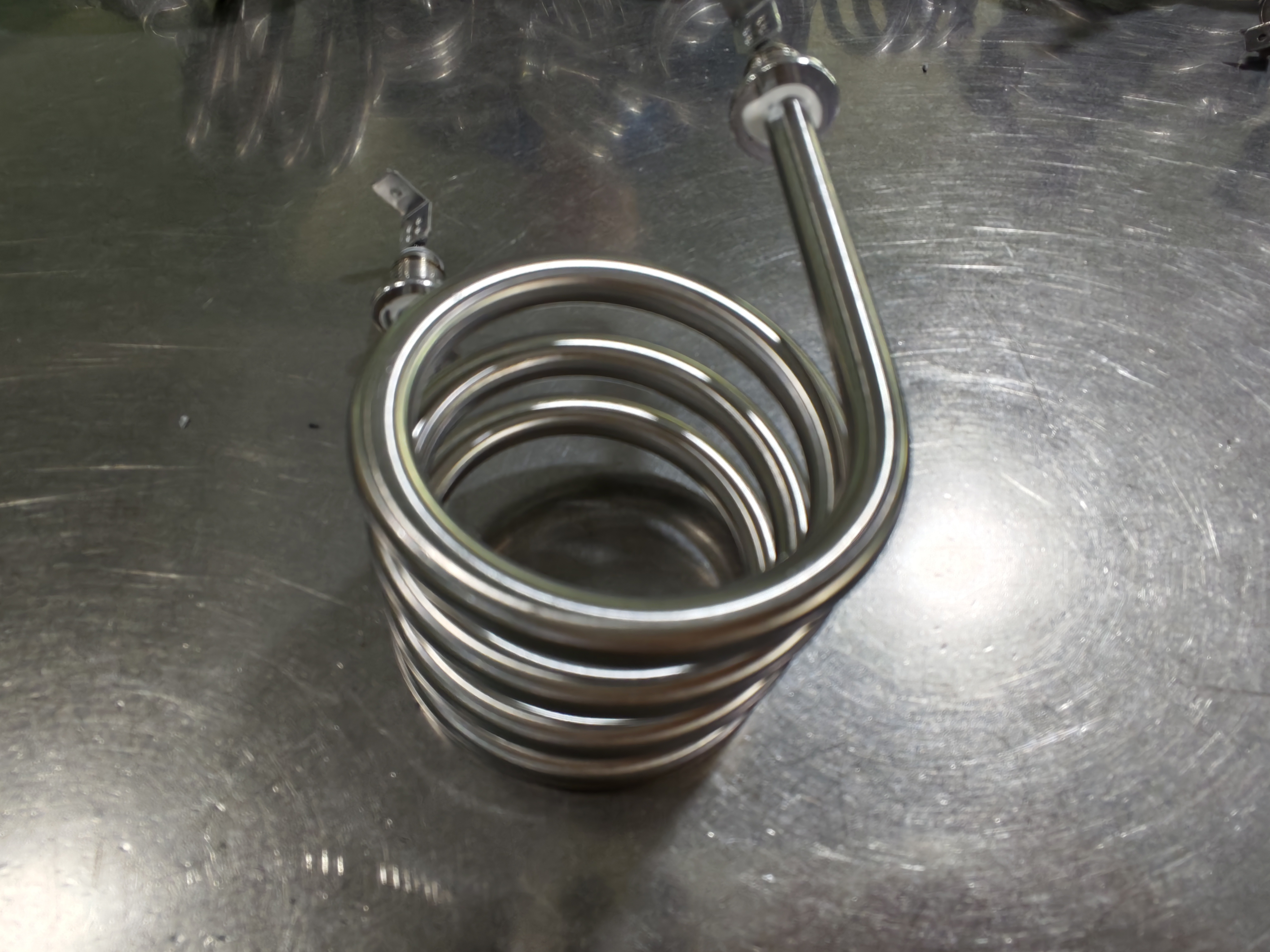
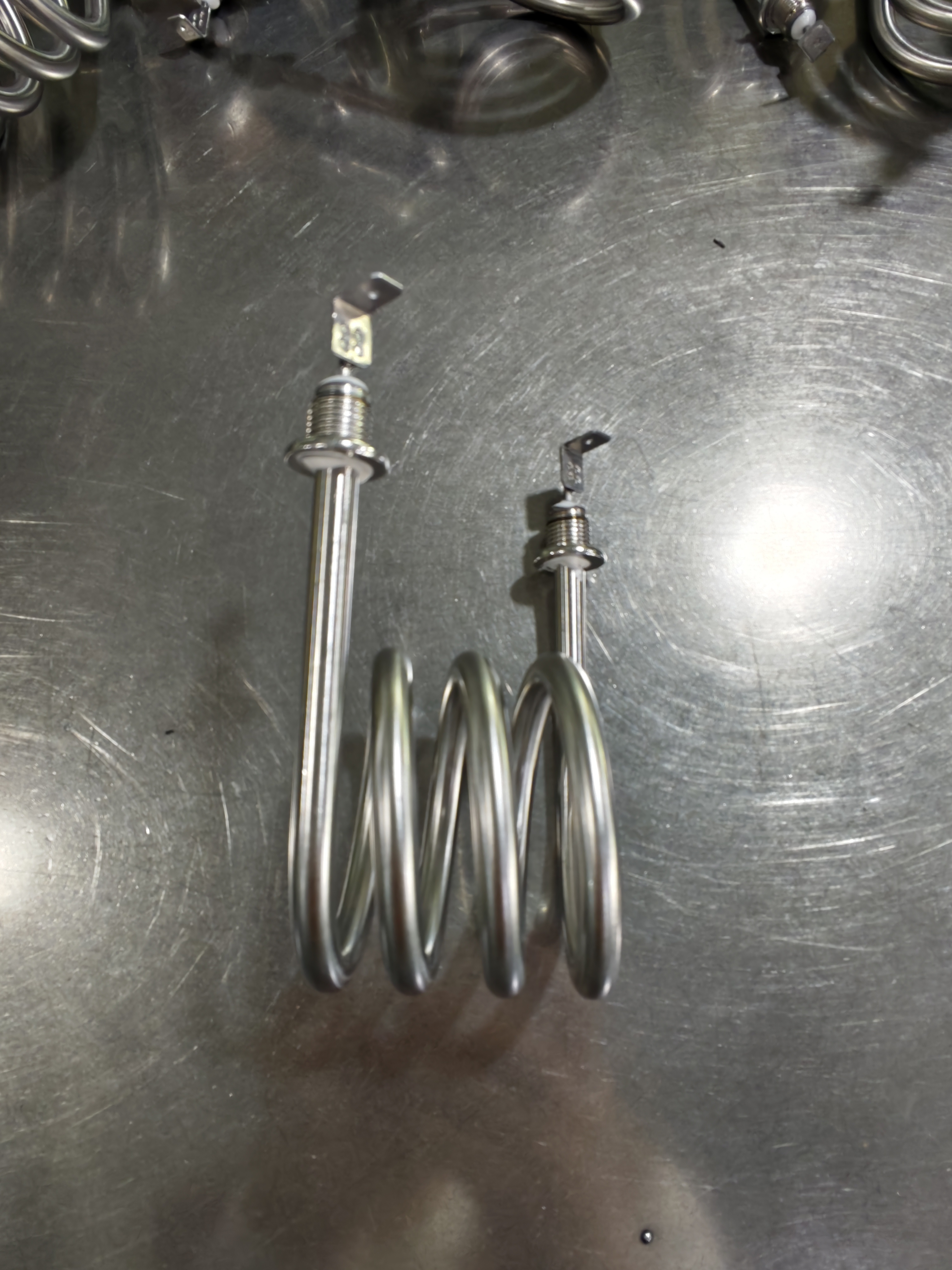
The hot water you get effortlessly every day relies on the "heart" component of water dispensers—the heating tube. As the core part that converts electrical energy into thermal energy, it has become an indispensable key component for both instant-heat and storage-type water dispensers, thanks to its advantages of high efficiency, safety, and energy conservation, quietly ensuring the convenience and reliability of daily drinking water.
Core Principle: Efficient Conversion of Electrical Energy to Thermal Energy
The working principle of heating tubes is straightforward: essentially, they achieve precise energy conversion through internal heating elements. When electric current passes through the resistance wire or heating film inside the tube, electrical energy is converted into thermal energy, which is then quickly transferred to the water flow through the tube wall to heat the water up. With continuous upgrades in modern heating tube technology, third-generation graphene quartz glass heating tubes, for example, boast a thermal efficiency of over 99%, enabling an "instant hot water" experience and significantly cutting down waiting time.
Two Major Application Scenarios: Adapting to Diverse Drinking Water Needs
Heating tube designs are precisely tailored to different types of water dispensers, catering to various usage scenarios:
- Instant-heat water dispensers: Equipped with high-power heating tubes (usually above 5500W), they heat water instantly as it flows through the tube without the need for a water storage tank. This eliminates the negative impact on water quality caused by repeated heating and reduces energy waste by "heating on demand", making them a popular choice for offices and households.
- Storage-type water dispensers: Adopt heating tubes with relatively moderate power (mostly around 2000W), paired with a water storage tank. They maintain water temperature steadily between 85°C and 95°C through a temperature control system, meeting the continuous water intake needs of multiple users, and are commonly found in public places and large families.
Safety and Energy Conservation: Dual Protection Through Technological Upgrades
The core advantages of heating tubes stem from technological innovations:
- Multi-layered safety protection: High-quality heating tubes are made of food-grade materials such as SUS304 stainless steel or quartz glass, preventing heavy metal leaching that could contaminate water. Some products feature a non-smooth inner wall design to absorb air, avoiding the risk of tube explosion caused by overheated water during heating. Meanwhile, they are equipped with multiple protection mechanisms including dry-heating protection, leakage protection, and overheating protection to eliminate potential safety hazards.
- Optimized energy-saving design: Instant-heat heating tubes abandon the traditional long-term heat preservation mode and only activate heating when water is being used. Storage-type heating tubes, on the other hand, restart only when the water temperature drops below the set value via precise temperature control, avoiding unnecessary energy consumption and aligning with the concept of green usage.
Key Purchasing Tips: Focus on Core Quality Indicators
When choosing a water dispenser, the quality of its heating tube directly determines the user experience and safety. It is recommended to prioritize three aspects: look for food-grade certification for the material to avoid harmful substance precipitation from inferior metals; opt for stainless steel double-layer wire winding or nano thick-film heating technology for balanced efficiency and durability; and check for multiple protection functions in the safety configuration to ensure stable and reliable long-term use.
Though small in size, heating tubes keep upgrading the drinking water experience with advanced technology. From efficient energy conversion and flexible scenario adaptation to dual guarantees of safety and energy conservation, they underpin the convenience and reliability of modern drinking water equipment with core technology, serving as an indispensable "unsung hero" in daily life.